
A Synergy of Sonics & Smartness – Studio 8, Tokyo
Two18 … It’s hard to find anything that beats them !
Tokyo, Japan – We usually post single stories of engineers, producers, or artists to our homepage. However, we’ve featured Tokyo-based studio engineer, Gregory Germain, on a few occasions now, as his is a story of going from strength-to-strength, and an example of building an East | West creative bridge. March 2021, “When mixing, don’t think … Feel” introduced Gregory and his mix/mastering approach. We followed this up with a February 2023 article “Amphion, Atmos & Anime” tying his work to one of Japan’s greatest commercial studios, Onkio Haus, and its fabulous 9.1.4.2 Amphion immersive room. Now in this third sequel, we see Gregory has taken another impressive leap with the opening of “Studio 8” – with the kind support and guidance of our Japan Pro-Audio distributor, MixWave Inc.
Your industry journey has been very interesting to watch – landing in Japan from France in 2007 and taking on a role as a studio assistant, then working as an assistant engineer in 2008, then engineer in-house/mix-engineer 2011 – all at highly respected studios – and 10 years later establishing Sonic Synergies Engineering in 2021. Now in 2024, you’ve expanded your operations even further with the opening of Studio8. As a trilingual foreigner in Japan, how have you managed to navigate the cultural and industry waters ? What’s the secret ?
I think the secret is to stay curious and very flexible regarding other people’s mindsets and cultures. I tend to keep my own culture in my private sphere without acting like a copycat. This balance is very challenging to maintain. On the technical side, I believe it’s essential to always keep an eye on new technology without abandoning the old tools and to always return to basics. This industry is highly challenging, so experimenting with new tools and staying aware of trends to continually surprise your clients is an absolute necessity.
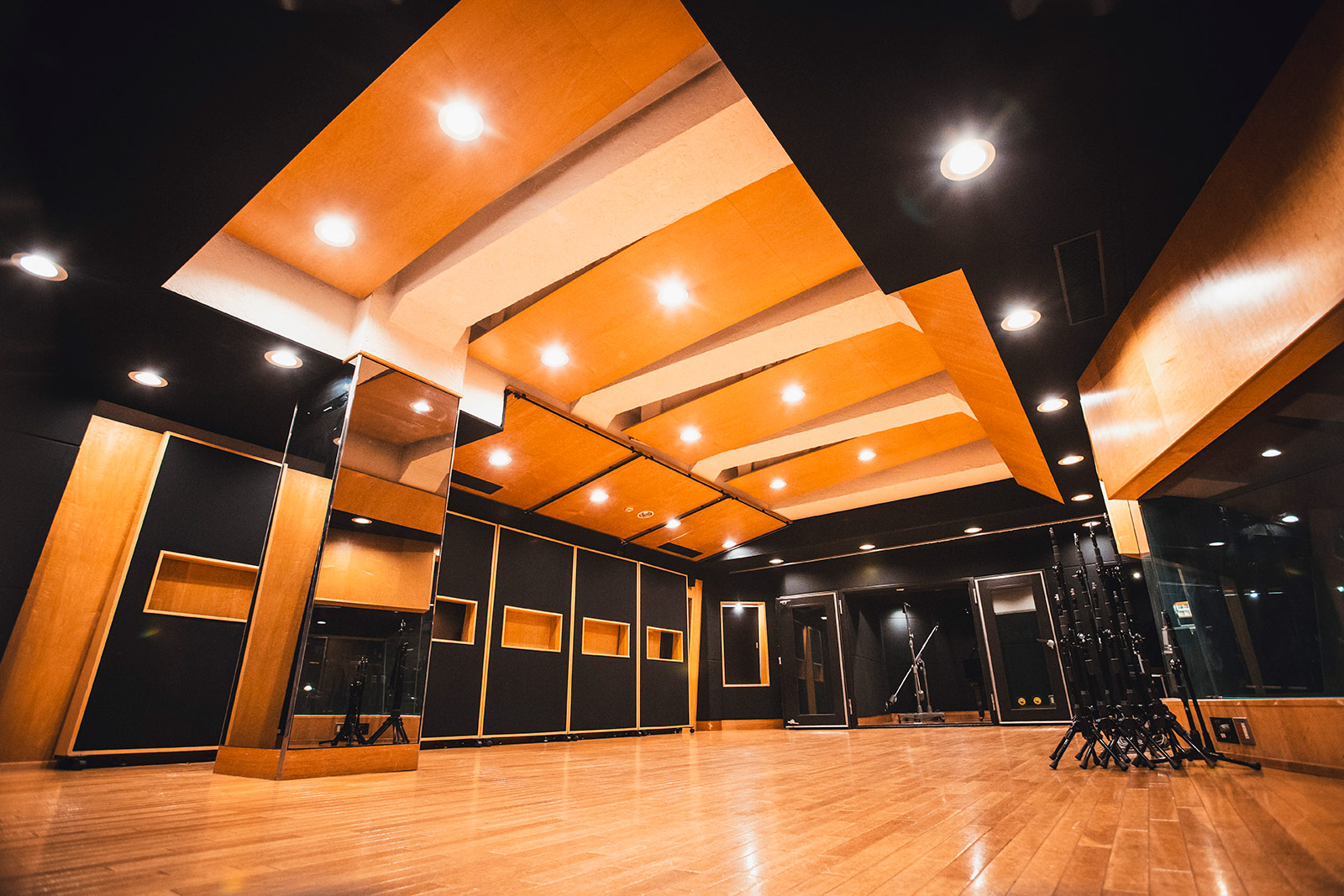
You’ve recently established an operational base at Studio8 in the trendy suburban area of Setagaya, Tokyo. Tell us about the various spaces in this production house. How many rooms, and what are their features eg. tracking, mixing, mastering and post ? What sectors of the entertainment industry are your targets ? Is this solely a private studio for the provision of your own music, film, post-production services, or will it be open for other engineers, musicians, and producers to access the facilities and perhaps co-work with you too ?
I like to call Studio 8 a “Smart & Modular” studio. The facility is divided into four rooms, each capable of operating independently while being interconnected. We can also work in a mobile setup with laptops, transforming any desk or unoccupied vocal booth into a mini studio. Our motto is “Everything about sound” meaning we have no boundaries in the market segments we cater to. We handle everything from major pop music mixes to TV commercial mixes, voice-over recordings, scoring, complete music production, mastering, and vocal editing. Music and film are in constant collaboration; I like to apply techniques learned in film to music and vice versa. The studio is split into two sections: the first floor is mainly for our Fader Crafters team, while the second floor is shared with our business partner MS Inc. However, we offer our rooms and staff to anyone who wants to use the studio. It’s quite open.
Over the last few years, you have been one of the key go-to engineers for immersive audio mixes, working from some best recording studios in Japan – both in Dolby Atmos and 360 Reality Audio. How is the demand for this format growing in Japan ? Are studios moving in this direction, or is it still slow to catch on ? Do you have plans to install surround or immersive audio in Studio8 ? If so, what configuration would you likely go for ? Which of these two popular formats do you prefer working in ?
It’s not catching on as rapidly as in other countries, but handling both stereo and immersive formats is becoming more routine. At Fader Crafters, we’ve developed a comprehensive method for translating stereo mixes to Atmos. Most major studios and record labels now have their own Atmos rooms. We absolutely plan to integrate an immersive setup at Studio 8, as immersive and surround mixing is core to our engineering skills. I prefer a 9.1.4 configuration, as it seems to be the optimal layout for our needs. Regarding formats, Atmos is more mature and developed, but I appreciate the binaural translation of 360RA as well. I hope both formats can co-exist, offering listeners the best possible experience. However I do believe Atmos is more versatile and easier to handle, and overall more developed.
Tell us about each of your team members – their backgrounds, areas of speciality and their responsibilities within Sonic Synergies. Are there plans to further expand your team ?
Our team members are very diverse, representing multiple nationalities such as Japanese, French, Colombian, and American. The total team, including assistants and Melodyne engineers, numbers 17 people. It’s common to switch between multiple languages in the studio. Each member has a specific role, and I like to select people with skills that complement my own. For example, Sebastian excels in multiple DAWs and can spot arrangement or production mistakes. Alex is adept in both studio and live settings, while Nicolas excels in field recording and sound design. Our mastering engineers are based overseas, and our workflow is entirely online. I’m enthusiastic about expanding the team, especially in post-production, scoring, and studio staff roles.
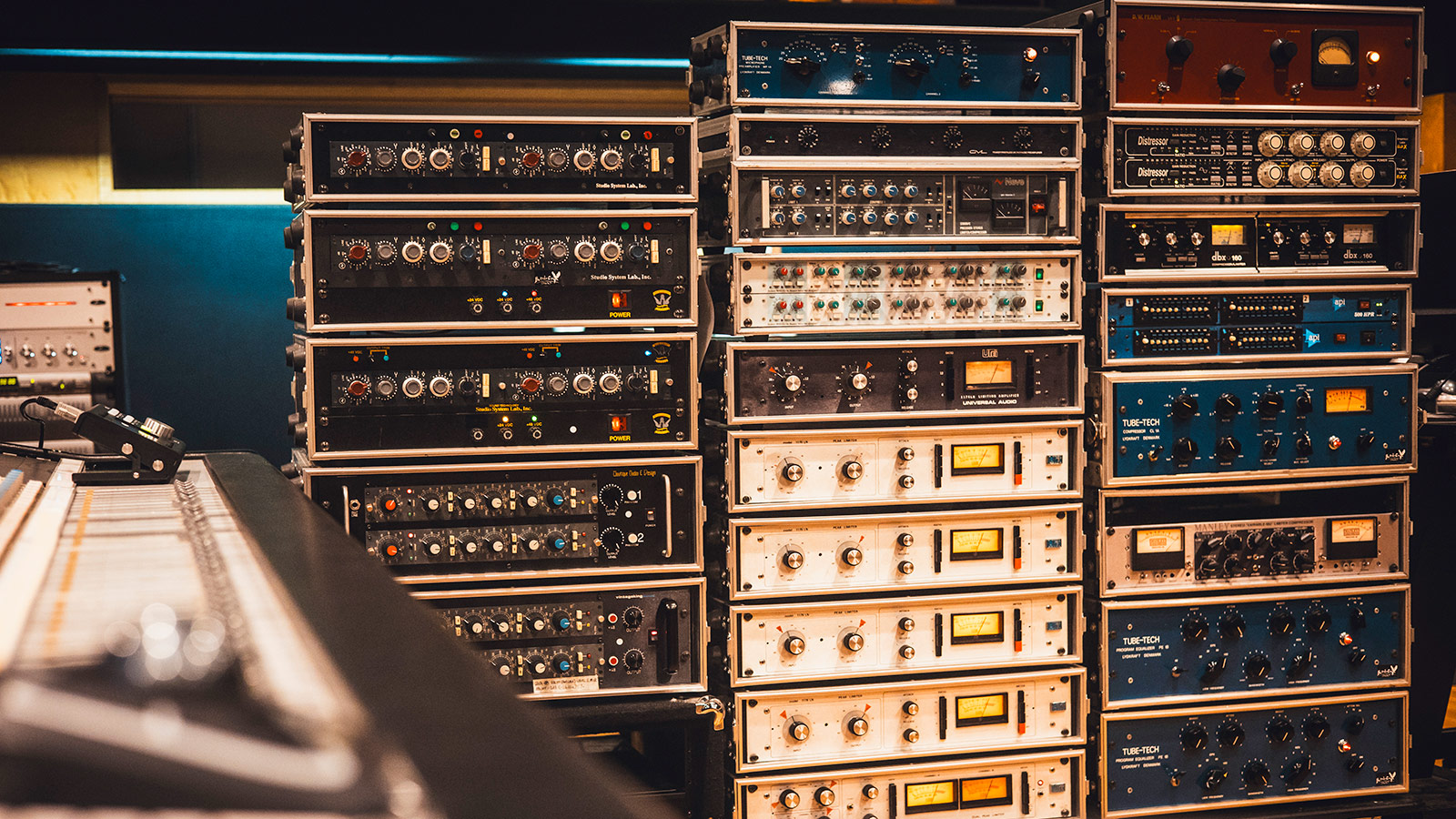
How extensive is your gear list and plug-ins and technology capabilities (both live-room and on-line) ? You’re renowned for having a huge microphone collection too.
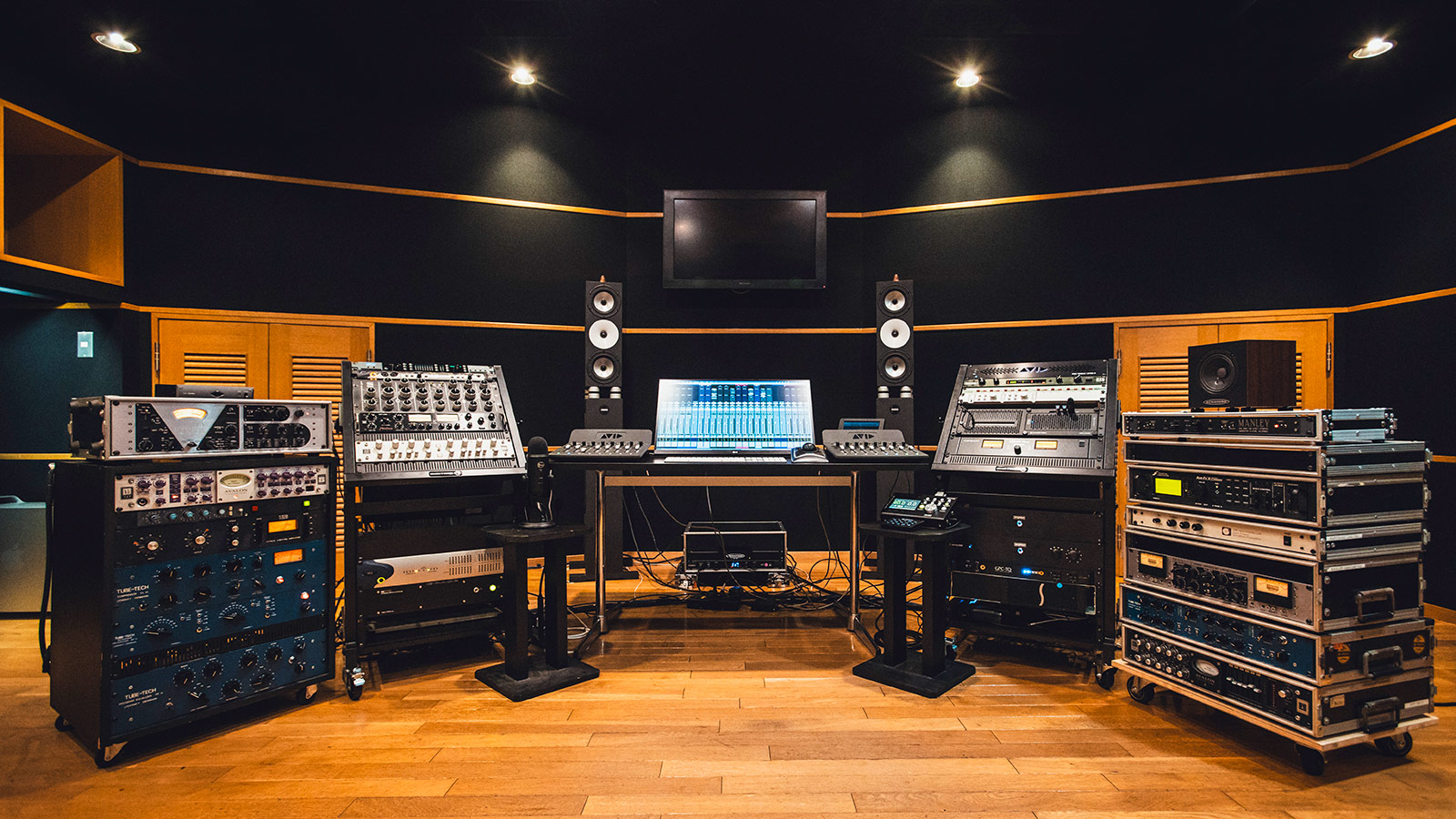
This is a difficult question to answer briefly. We have some microphones that are rare, as well as prototypes of unique gear like the Avalon VT 737 with purple knobs. We also possess super vintage microphones like the Sony 37A – which are extremely rare in Japan. Studio A boasts an SSL 6000 – a rarity here – along with Studer tape machines, original API 550A EQs, Sonnet mastering EQs, and an impressive collection of analog synths. This is truly a paradise for gear enthusiasts and connoisseurs. On the digital side, our lineup includes the latest AVID MTRX II, BURL converters, Silicon-based Macs, and the latest Pro Tools version with ARA integration. We enjoy merging technologies from different eras and are open to AI tools, experimenting with various plugins.
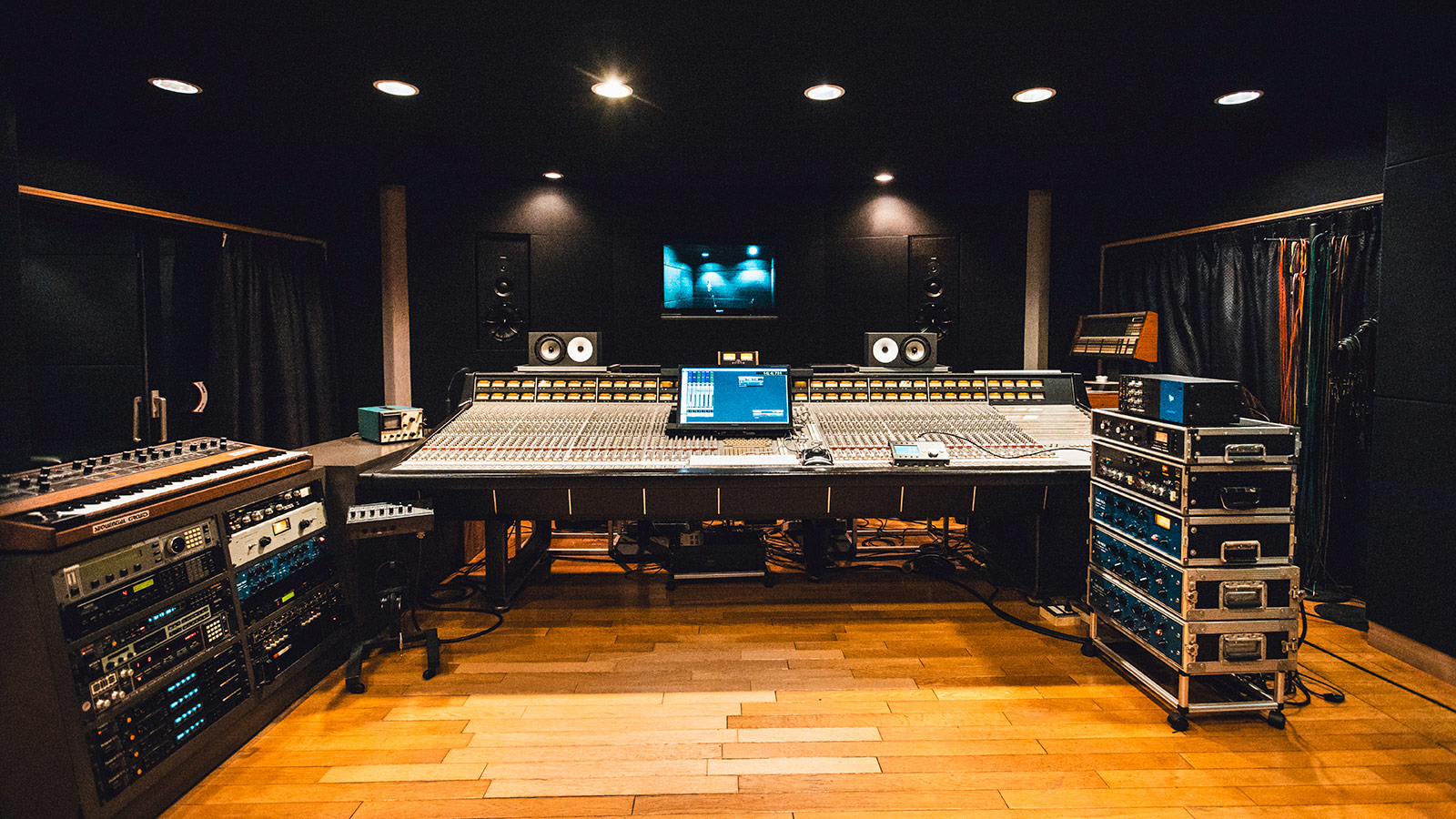
For many years now, Amphion monitors and base systems have been the cornerstone of your rooms – both as an in-house engineer and since 2021 when you established your own company. What models do you currently have, and how critical a role have they played in your work-flow and delivered-results to clients ? What studio scenarios have you used them in e.g. stereo, surround, immersive + home-studio, private studio, commercial studio ? Do you have a favorite model, or do they all deliver what you need in specific situations ?
I currently own:
• 2 pairs of Two18
• 1 pair of BaseTwo25
• 1 pair of One18
• 2 pairs of One12
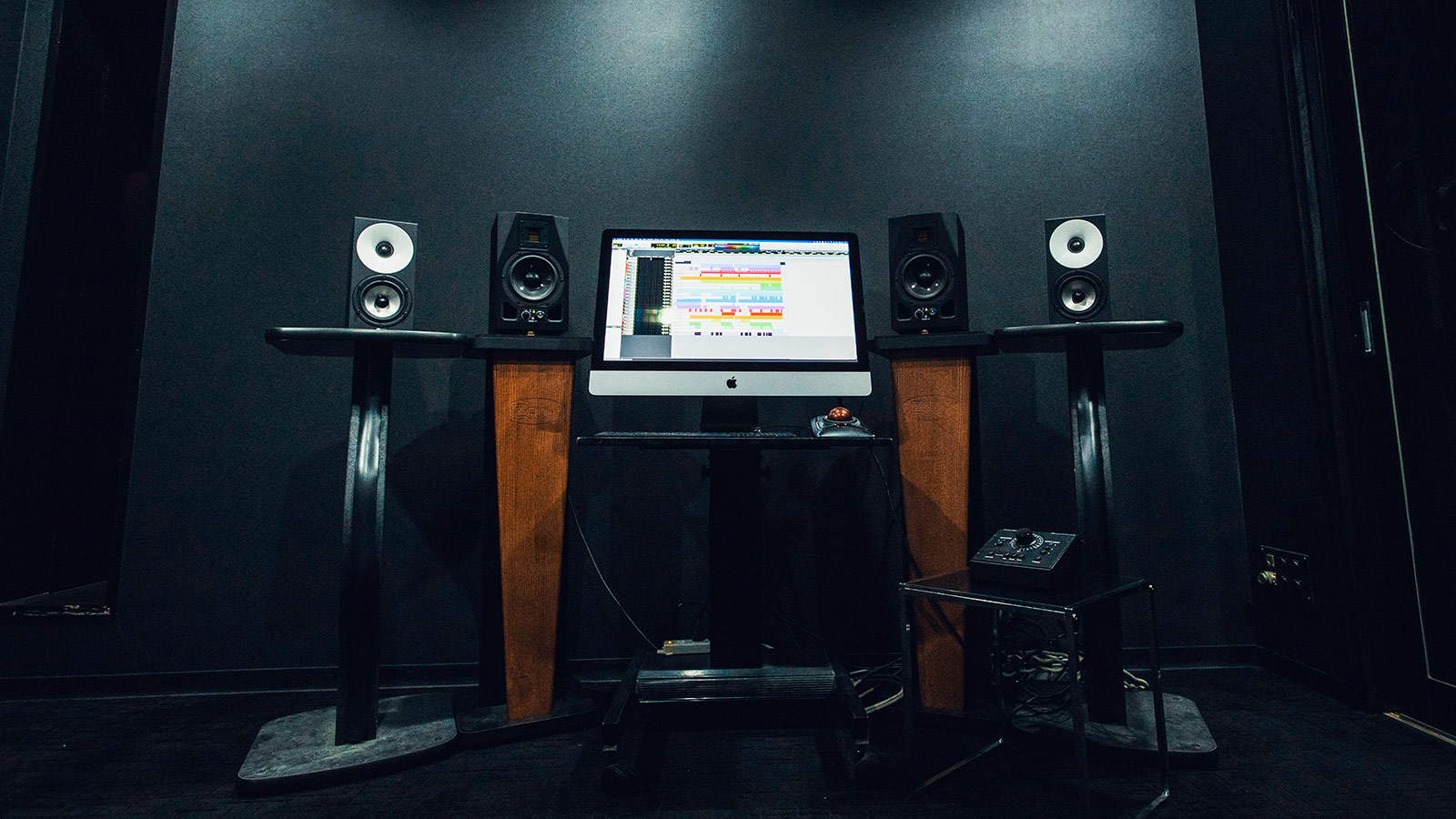
These speakers are distributed across multiple rooms, not only at Studio 8 but also at Studio MSR, which I still use. The Two18s serve as my main speakers, paired with BaseTwo25s in Room C at Studio 8 for optimal low-end translation, which is my preferred monitor setup across all rooms I work in. The One18s are used in Studio B due to their compatibility with a large console, while the One12s are ideal for smaller rooms and pre-production, and as on-the-go speakers during tracking sessions. Currently, we’re only set up for stereo, but I hope to build an immersive setup with all Amphion speakers. But for now, I typically go to Onkio Haus Studios for this.
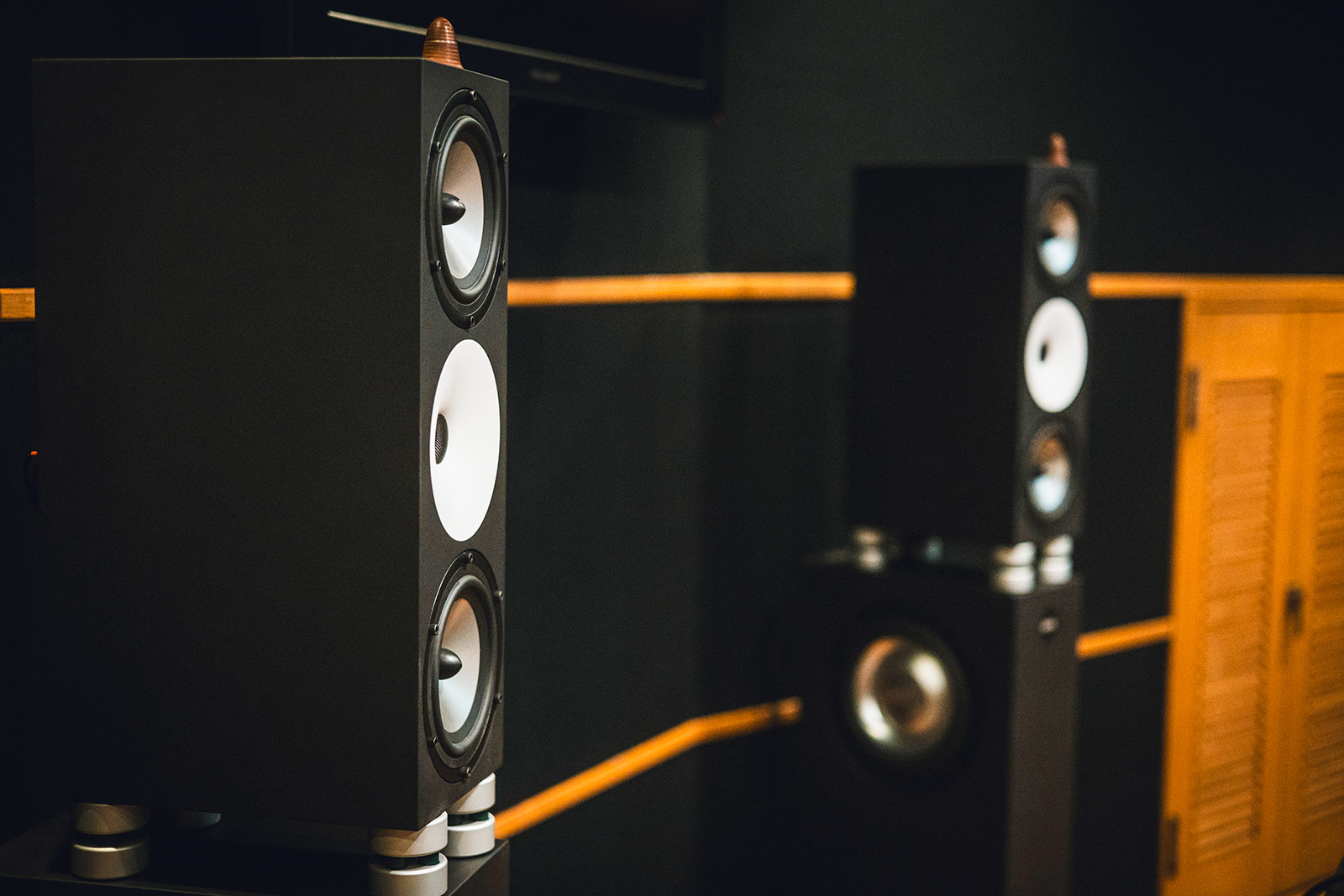
My favorite model is definitely the Two18 it’s hard to find anything that beats them. I just find faster and easier to mix staring with those. I enjoy challenging myself by tweaking mixes over several days on different monitors; regardless of the model, I appreciate that they sound consistent, with the main difference being driver size. Recently, I also had the chance to listen to the BaseOne25A and really liked them, I thought that could be a real nice combo in a tracking room with a console.
View more on Studio 8 here: www.instagram.com/studioeighttokyo
For more information on Studio Eight: www.studio8.tokyo
For more information on Sonic Synergies Engineering: sonic-synergies.com
For more information on Amphion Studio Monitors: amphion.fi/studio-products
For more information on Amphion Base Systems: Studio products | Amphion
For more information on MixWave Inc: ミックスウェーブ株式会社 | Mix Wave, Inc.